The New Content Formats Winning in AI Search (2026 Guide)
AI search is changing how content gets discovered. This guide explains the content formats winning in AI driven search, why traditional text heavy pages lose visibility, and how brands can adapt using video, interactive tools, visuals, schema, and connected content.
The New Content Formats Winning in AI Search
Search has entered a new phase.
Ranking is no longer just about keywords, backlinks, or even traditional “best practices.” In AI-driven search environments, the content format that delivers the clearest, fastest, and most useful answer is the one that wins visibility.
When users search today, they often see an AI-generated summary, a video clip, an interactive tool, or a visual explanation before they ever encounter a standard webpage. In many cases, they never click a blue link at all.
This does not mean content marketing is dying. It means content has evolved.
This guide explains which content formats are winning in AI search, why traditional text-heavy pages are losing ground, and how brands can adapt without rebuilding their entire content strategy from scratch.
Why traditional content is losing visibility in AI search
For years, SEO rewarded long, well-written articles optimized around keywords. That approach worked because search engines needed pages to explain concepts.
AI no longer needs that.
Modern AI systems can scan hundreds of similar articles, compress them into a single answer, and display that summary directly in search results. When information is repetitive or easily summarized, AI removes the need for users to visit the original source.
Several shifts are driving this change:
A growing share of searches now end without a click
AI summaries increasingly satisfy informational intent on their own
Users prefer faster answers with visual or interactive support
Search results are becoming more conversational and task-oriented
Plain text is the easiest format for AI to condense. If your page looks like dozens of others explaining the same concept in the same way, it becomes invisible.
What AI cannot easily replace is experience.
If your content helps users see, calculate, compare, or interact, it becomes far harder to summarize and far more valuable to surface.
The content formats winning in AI search today
AI search systems consistently favor formats that reduce friction, increase clarity, and help users act immediately. These are the formats outperforming traditional blog posts.
1. Video content that answers real questions
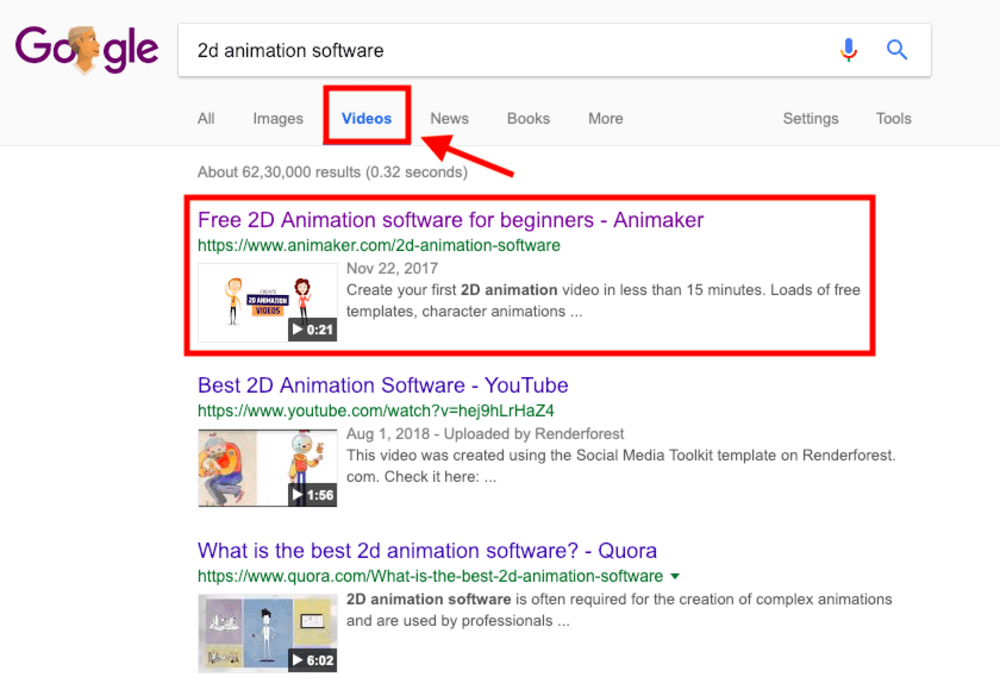
Video has become one of the most visible formats in AI-assisted search.
Short, focused videos often appear inside AI results because they:
Deliver explanations faster than text
Build trust through demonstration
It is difficult to fully summarize without losing context
AI systems favor videos that clearly answer “how,” “why,” and “what” queries. This applies to both consumer and B2B topics.
Why video performs so well in AI search
It satisfies intent quickly
It works well on mobile and voice-assisted search
It keeps users engaged longer than text
It provides visual proof, not just explanation
How to optimize video for AI search
Focus on search-driven questions, not promotional messaging
Use clear titles that reflect the exact query being answered
Add timestamps and chapters for quick navigation
Include transcripts so AI can interpret the content accurately
Embed videos within relevant pages to reinforce topical relevance
Videos that educate outperform videos that sell. AI search rewards usefulness, not brand slogans.
2. Interactive tools and calculators
Interactive tools are one of the strongest defences against AI summarization.
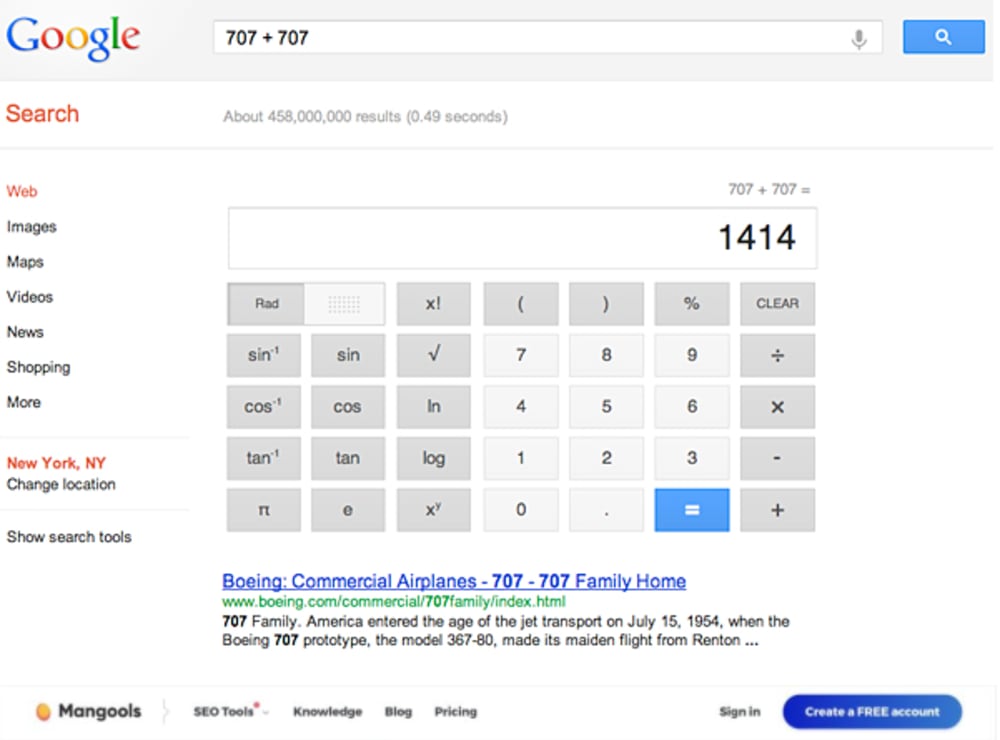
A calculator, estimator, grader, or interactive form delivers personalized output, which AI cannot replicate without user input. That makes these tools highly visible and highly engaging.
Why tools win in AI search
They provide instant, customized results
They reduce cognitive effort for the user
They generate repeat visits and backlinks
They signal high utility to search algorithms
Even simple tools can outperform long articles when they solve one specific problem well.
How to optimize tools for AI search
Build tools that answer one focused question
Clearly explain inputs and outputs on the page
Use structured data to describe the tool’s function
Ensure mobile usability
Track usage as a micro-conversion
Tools turn passive readers into active users, which AI systems interpret as strong relevance signals.
3. Data visualizations and original research
AI can summarize opinions. It cannot invent original data.
When brands publish proprietary research, benchmarks, or insights, they become sources, not just publishers. AI systems reference these pages because there is nothing else like them.
Why original data performs exceptionally well
It cannot be copied or paraphrased from competitors
It earns citations and backlinks naturally
It builds authority and trust signals
It remains relevant long after publication
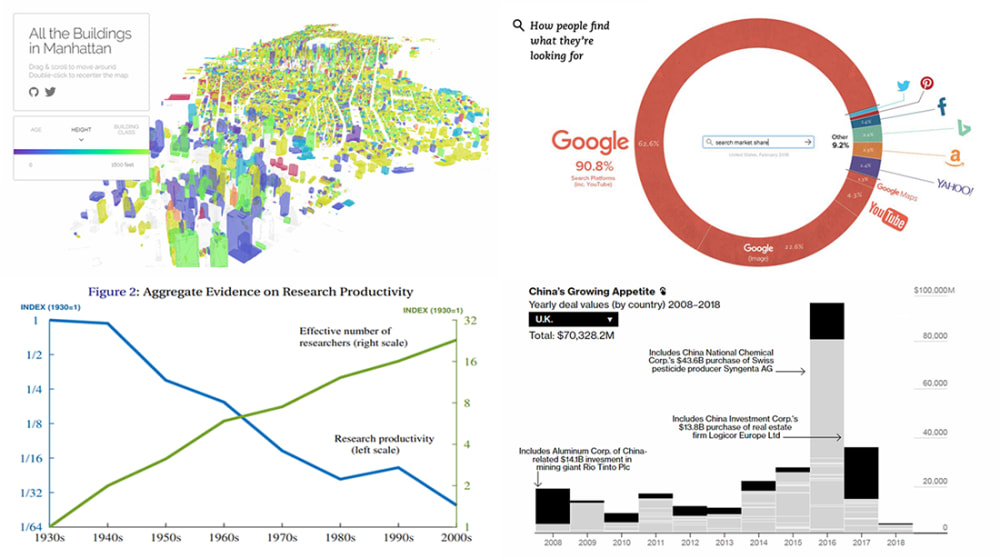
Visualizing data makes it even more powerful. Charts, dashboards, and infographics help both users and AI systems interpret insights quickly.
Best practices for AI-friendly data content
Base research on real, credible data sources
Present findings visually instead of raw tables
Add context explaining what the data means
Update datasets periodically to maintain freshness
Promote research through newsletters and social channels
In AI search, data is differentiation.
4. Schema-driven content experiences
AI relies heavily on structure.
Schema markup helps search systems understand exactly what your content represents. Pages with clear structure are easier to feature in AI summaries, rich results, and conversational responses.
Why schema matters more in AI search
It clarifies intent and content type
It improves eligibility for enhanced visibility
It strengthens trust and authorship signals
It supports multimodal results (text, video, FAQs)
Schema does not replace quality content, but it amplifies it.
Practical schema applications
FAQs for service and informational pages
How-to markup for instructional content
Product and review schema for commercial pages
Author and organization schema to reinforce expertise
When structure and substance align, AI systems surface your content more confidently.
5. Query fan-out and connected content clusters
AI search does not stop at one question.
A single query often expands into multiple follow-up questions within the same interface. This is known as query fan-out, and it creates multiple opportunities for visibility.
Brands that connect related topics through internal linking and structured clusters are more likely to appear repeatedly across these follow-ups.
How to optimize for query fan-out
Identify common follow-up questions related to your topic
Build content that answers those questions explicitly
Link related pages contextually, not randomly
Add sections like “Related questions” or “You may also want to know”
AI favors sites that demonstrate depth, not just isolated answers.

How to integrate these formats into your existing SEO strategy
You do not need to abandon your current content library. Most brands already have strong foundations. The key is enhancement, not replacement.
A practical integration approach:
Identify high-performing text pages that are easily summarized
Add video explanations where users tend to drop off
Convert static examples into simple interactive tools
Visualize key data points instead of listing them
Apply structured data to clarify intent
This turns static pages into content experiences that AI cannot compress into a single paragraph.
Measuring success in AI-driven search
Traditional metrics like clicks and rankings are no longer enough on their own.
Modern measurement should include:
Visibility
Track impressions and presence in search features, even when clicks decline.
Engagement
Monitor watch time, tool usage, scroll depth, and repeat visits.
Assisted conversions
Evaluate how AI-discovered content influences conversions later in the journey.
AI presence
Manually test how your brand appears in AI summaries and conversational search tools. This early signal matters.
Visibility without immediate clicks still builds authority, trust, and future demand.
How to future-proof your content strategy for AI search
AI search will continue to evolve toward multimodal, conversational, and experience-driven discovery.
To stay ahead:
Create content that cannot be fully summarized
Combine text with visuals, tools, and interaction
Structure content so AI understands it clearly
Repurpose strong assets across formats and platforms
Review AI visibility regularly and adapt intentionally
In AI search, experience beats explanation.
Adapt your content strategy for the new search reality
Search is no longer about ranking pages. It is about earning presence.
If your content can be summarized, AI will summarize it.
If your content helps users see, calculate, interact with, or make decisions, AI will surface it.
At y77.ai, we help brands design content ecosystems built for AI discovery, not just traditional rankings. From interactive assets to an AI-ready structure, we align content strategy with how search actually works today.
Talk to y77.ai and future-proof your visibility in AI-driven search.
Tags
AI SearchContent StrategySEO StrategyAI SEOVideo ContentInteractive ContentSchema MarkupData VisualizationQuery Fan Out
Share
Need support?
Let’s turn insights into the next round of wins.
We can audit your telemetry stack, unblock campaigns, or architect the next measurement sprint in as little as two weeks.