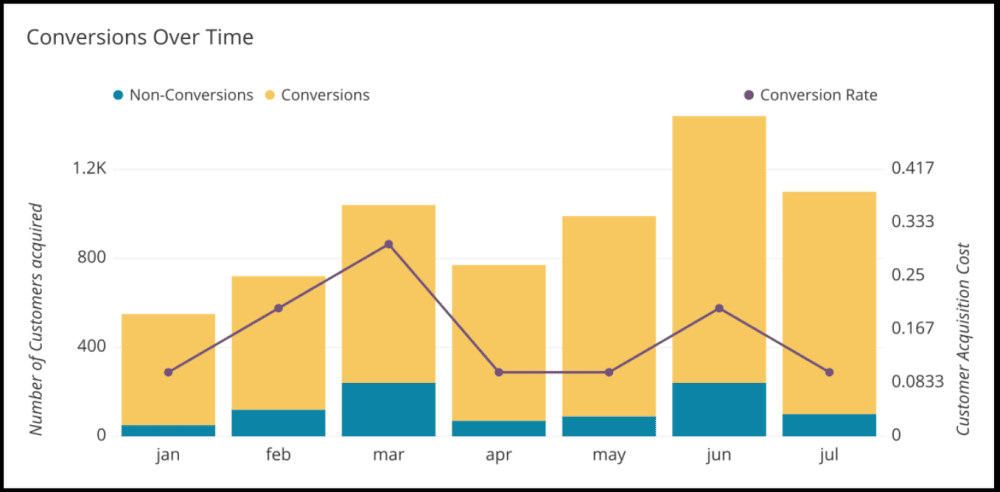
Video Ads Are Changing CTR and Conversion Rates, What Marketers Need to Know
Video advertising is changing how performance metrics behave across platforms. Higher click through rates do not always translate into stronger conversion outcomes. This article explains why CTR and conversion rate behave differently in video campaigns, what actually drives conversions beyond clicks, and how measurement needs to evolve for modern performance teams.
AI Video Ads Are Redefining CTRs and Conversion Rates. Here’s What You Need to Know
Video advertising has been a core part of digital marketing for years, but the rise of AI has fundamentally changed how video ads are planned, measured, and optimized. What once relied on creative instinct and delayed reporting is now increasingly driven by real-time data, behavioral signals, and predictive insights.
For agencies managing multiple clients, platforms, and formats, this shift is not optional. AI video ads are raising expectations around click-through rates (CTR), conversion rates, and overall accountability.
This article explores how AI video ads are reshaping performance benchmarks, what is driving higher CTRs and conversions, and why analytics has become the most critical capability for modern agencies.
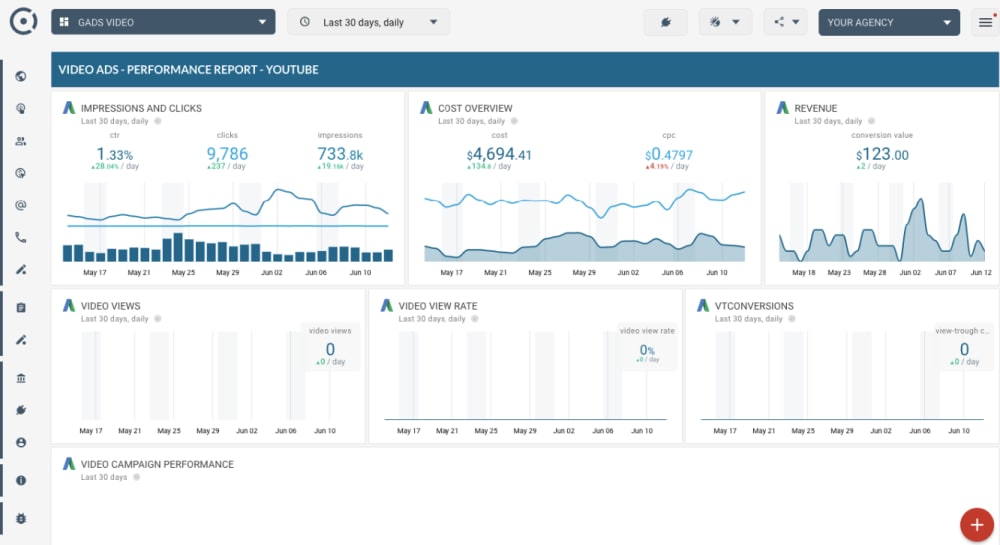
Why Video Ads Continue to Outperform Other Formats
Video remains the most effective digital advertising format because it compresses storytelling, emotion, and information into a short time frame. Unlike static banners or text ads, video can demonstrate value rather than describe it.
Video advertising performs well because it:
Delivers information quickly
Builds trust through visuals and motion
Creates emotional engagement
Guides users naturally toward action
As more platforms prioritize video in their algorithms, brands increasingly allocate larger portions of ad budgets to video campaigns. This growth, however, has also increased competition, making performance optimization more important than ever.
Understanding CTR and Conversion Rate in Video Advertising
CTR and conversion rate are often discussed together, but they represent very different stages of user behavior.
CTR measures whether an ad captures attention strongly enough to earn a click. Conversion rate measures whether the message, offer, and landing experience are strong enough to turn that click into action.
Video ads often achieve higher CTRs than static ads because motion naturally attracts attention. However, high CTR alone does not guarantee business success. Agencies frequently see campaigns with strong CTRs but weak conversions due to poor audience alignment or landing page disconnects.
This gap between attention and action is where AI-driven insights become valuable.
How AI Is Changing Video Ad Performance
AI influences video advertising at two levels: delivery and analysis.
On the delivery side, AI helps platforms decide when, where, and to whom an ad is shown. On the analysis side, AI helps agencies understand what actually worked and why.
Behavioral Pattern Recognition
AI identifies patterns across thousands of interactions, revealing which video elements correlate with stronger engagement or higher conversion likelihood.
Contextual Performance Insights
Instead of evaluating ads in isolation, AI examines performance in context, including device type, time of day, audience intent, and platform behavior.
Faster Feedback Loops
Traditional reporting often delays optimization decisions. AI-driven analytics allow agencies to spot early performance signals and make adjustments before budgets are exhausted.
From Creative Guessing to Creative Validation
AI does not replace creative judgment, but it validates creative decisions using data. This reduces subjective debates and improves decision-making speed.
Agency analytics platforms such as y77.ai are built around this shift, helping agencies translate complex performance data into actionable insight without overwhelming reporting.
What Actually Drives Higher CTRs in AI Video Ads
Higher CTRs are rarely the result of a single factor. They emerge from alignment between audience intent, creative structure, and delivery timing.
Key drivers include:
Immediate Relevance
Ads that reflect a user’s current problem or need outperform generic messaging. AI analysis helps identify which messages resonate with which segments.
Strong First Seconds
Most viewers decide whether to continue watching within the first few seconds. Drop-off analysis reveals whether the opening hook is effective or needs refinement.
Visual Clarity
Simple, focused visuals often outperform complex designs. AI can correlate visual density with engagement patterns.
Clear Value Proposition
Users click when the benefit is obvious. Videos that clearly communicate value early tend to achieve higher CTRs.
What Drives Higher Conversion Rates Beyond the Click
Conversion optimization begins after the click, but video ads strongly influence conversion quality.
Message Continuity
When the landing page reflects the same promise, tone, and visuals as the ad, users feel confident continuing.
Audience Qualification
AI insights can show whether an ad attracts curious viewers or qualified prospects. Not all clicks are equal.
Funnel Stage Alignment
Short, attention-focused videos often work better at the top of the funnel, while longer explanatory videos perform better for mid or bottom funnel conversions.
Trust Signals
Testimonials, demonstrations, and proof points within videos increase conversion likelihood, especially for higher-consideration products.
Why Analytics Is the Missing Link for Many Agencies
Many agencies still rely on surface-level metrics such as views, likes, or impressions. While useful, these metrics rarely explain performance outcomes.
Advanced analytics allows agencies to:
Connect engagement to revenue outcomes
Identify creative fatigue early
Compare performance across platforms objectively
Explain results clearly to clients
AI-powered agency analytics tools, including platforms like y77.ai, focus on reducing noise and highlighting insights that directly impact CTR, conversion rate, and return on ad spend.
Common Challenges Agencies Face With AI Video Ads
Despite the advantages, AI video advertising introduces new complexities.
Over-Optimizing for CTR
High CTRs can hide low-quality traffic if conversion behavior is not analyzed.
Creative Fatigue
Even strong ads lose effectiveness over time. Without proper monitoring, performance declines gradually and unnoticed.
Attribution Complexity
Video ads influence decisions indirectly as well as directly. Relying only on last-click attribution underestimates true impact.
Benchmark Misinterpretation
Industry benchmarks vary widely by platform, audience, and objective. Internal performance trends matter more than generic averages.
The Strategic Shift Agencies Must Make
The future of video advertising is not about producing more creatives. It is about understanding performance deeply and acting faster.
Agencies that succeed will:
Use data to guide creative decisions
Treat video ads as evolving assets
Optimize across the full funnel, not just clicks
Invest in analytics that scale with complexity
AI enables this shift, but strategy determines how effectively it is applied.
How AI Is Changing Video Ad Performance Measurement
AI has transformed not only how ads are delivered but also how they are analyzed.
y77.ai enables agencies to move from static reports to intelligent performance insights.
Unified Performance Visibility
Agencies can track CTRs, conversion rates, engagement, and drop-offs across campaigns in one analytics environment.
Behavioral Insight, Not Just Numbers
Instead of seeing only results, agencies understand why performance changes by analyzing audience behavior, timing, and creative signals.
Predictive Performance Signals
AI models identify patterns that signal whether a video ad is likely to scale or fatigue, allowing agencies to act before performance drops.
Faster Optimization Cycles
With real-time insights, agencies can adjust hooks, CTAs, placements, or budgets without waiting weeks for post-campaign analysis.
Replace fragmented reports with AI-driven agency analytics using y77.ai.
Final Thoughts
AI video ads have changed the rules of digital advertising. CTRs and conversion rates are no longer driven by creativity alone but by the interaction between creative execution, audience behavior, and data-driven optimization.
For agencies, the competitive advantage lies in interpretation, not just execution. The ability to understand why a video performs, anticipate changes, and communicate insights clearly is what separates high-performing agencies from the rest.
AI-powered agency analytics platforms such as y77.ai play a supporting role in this process by helping agencies move from reactive reporting to proactive optimization.
In the end, successful video advertising is not about chasing trends. It is about delivering relevance, clarity, and value at every step of the customer journey.
Tags
Video AdvertisingCTRConversion RatePerformance MarketingPaid Media MeasurementCreative StrategyAttributionMedia Buying
Share
Need support?
Let’s turn insights into the next round of wins.
We can audit your telemetry stack, unblock campaigns, or architect the next measurement sprint in as little as two weeks.